How to Fix GCash Cash In Failed Error (2026) (48c)

The “Cash In Failed” error in GCash is one of the most stressful things a user can see, especially when the money already left your bank account. In most cases …

Your trusted resource for downloadable source code, complete capstone projects with ER diagrams and Chapter 1-5 documentation, AI-ready capstones (RAG, ChatGPT, computer vision), and step-by-step tutorials in PHP, Python, Java, JavaScript, and more. Built by working developers, tested before publishing, and updated for 2026.
📅 Updated weekly | ✅ Code tested before publishing | 👨💻 Built by PIES IT Solutions developers
The fastest-growing capstone category in 2026. Capstones that panels approve faster, AI agents, RAG, real-time computer vision. Build the kind of capstone employers actually look for on resumes.
Free AI capstones with full source code, RAG document Q&A, ChatGPT API apps, local LLMs, computer vision, NLP. The umbrella hub for modern AI capstones.
46 Python computer vision capstones, face detection, hand tracking, pose estimation, document scanning. Real-time on CPU, no GPU required.
23 algorithm-level ML capstones, CNN, classification, recommendation systems, computer vision foundations.
Working source code, ER diagrams, and step-by-step setup for the languages BSIT panels recognize. Every project tested before publishing.
319 free PHP + MySQL capstones, school, hotel, hospital, e-commerce, inventory, payroll. Each includes ERD and setup instructions.
296 Visual Basic .NET Windows Forms capstones, the dominant Philippine BSIT panel stack. Hotel, POS, Hospital, Payroll, Inventory.
250 Python capstones, Tkinter desktop, Django web, Pygame games, OpenCV vision, ML and AI integration.
127 Java capstones, NetBeans + MySQL desktop applications. Hotel, Library, Hospital, POS, ATM, School systems.
111 Django web management systems, modern Python full-stack capstones. School, e-commerce, hospital, banking, transport.
74 Laravel PHP MVC capstones, School, E-commerce, Hospital, POS, Inventory, Banking. Modern PHP for production-quality defense.
58 C# + SQL Server Windows Forms projects and reference snippets, DataGridView, ListView, ComboBox patterns plus management systems.
55 vanilla JavaScript, Vue.js, and Node.js projects, browser games, calculators, CRUD demos, Vue SPAs.
The Chapter 1-5 documentation, UML diagrams, database designs, and foundation language resources every BSIT student needs to pass capstone defense.
302 free ER, DFD, Use Case, Class, Activity, Sequence, Component, and Deployment diagrams for capstone Chapter 3.
145 capstone idea lists and Chapter 1-5 thesis documentation templates for BSIT, BSCS, and engineering students.
35 ER diagrams and SQL schemas, Hospital, Library, POS, Inventory, Salon, Clinic, Restaurant, Resort.
132 foundational C and C++ mini-projects, console games, mini management systems, OOP patterns. Perfect for 1st-2nd year coursework.
Learn the language first, then ship a capstone. Free tutorials with working examples.
599 JavaScript and Node.js language tutorials, syntax, features, frameworks, debugging.
150+ Python tutorials covering OOP, file I/O, web scraping, async, and library usage (pandas, numpy, matplotlib).
Modern TypeScript tutorials covering types, generics, and integration with React/Node.
Beginner-to-intermediate PHP tutorials with practical examples for capstone use.
The most comprehensive Python & JavaScript error reference on the open web. 10 cross-linked hubs covering TypeError, ModuleNotFoundError, AttributeError, ValueError, ImportError, NameError, RuntimeError, SyntaxError, ReferenceError, and HTTP errors. Each post explains the root cause and gives 2-4 alternative fixes.
220+ Python & JavaScript TypeError fixes, NoneType, not callable, cannot read property.
198+ Python import error fixes, pip install, virtualenv, TensorFlow, PyTorch, Flask, Django.
173+ "object has no attribute X" fixes, NoneType, pandas, NumPy, sklearn, Selenium.
100+ pandas, NumPy, sklearn, TensorFlow ValueError fixes.
67+ "cannot import name X from Y" version-conflict fixes, Flask, Werkzeug, ML libraries.
49+ Python "name X is not defined" fixes, numpy, pandas, Jupyter, Python 2→3 migration.
49+ PyTorch CUDA, asyncio, Flask context, mutation-during-iteration fixes.
48+ Python & JavaScript parsing errors, EOF, EOL, unexpected token, import.meta.
34+ JavaScript "X is not defined" fixes, Node ESM, SSR, React, browser globals.
35+ HTTP 4xx and 5xx status code explanations, 403, 404, 429, 500, 502, 504.
20+ Python KeyError fixes, dict missing keys, pandas, JSON API responses, environment variables.
30+ Python IndexError fixes, list out of range, tuple, string slicing, list comprehension, re.findall.
The “Cash In Failed” error in GCash is one of the most stressful things a user can see, especially when the money already left your bank account. In most cases …
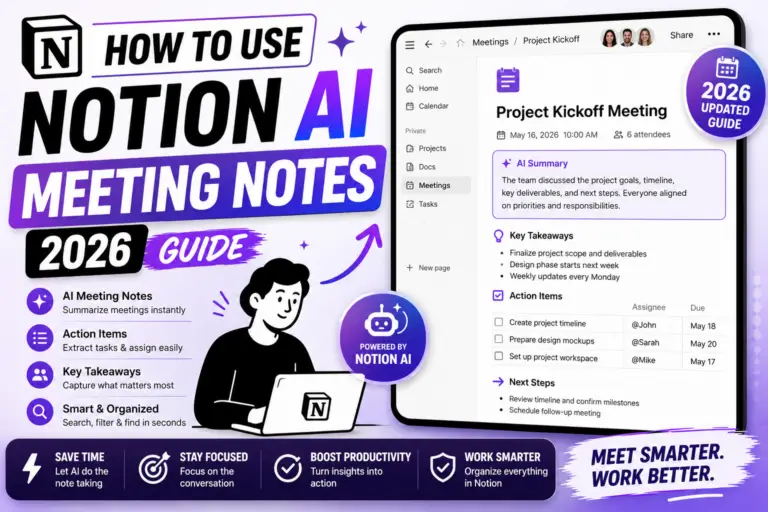
Notion AI Meeting Notes is one of the more useful additions to Notion in 2026. You start a meeting, Notion listens in, and by the end you get a full …
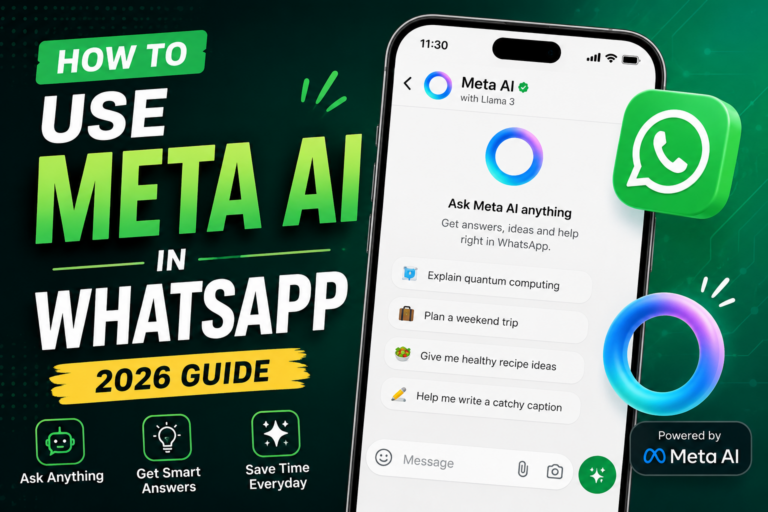
Meta AI is the blue and purple circle that appeared inside your WhatsApp app a few months ago. You did not ask for it, and now it sits at the …

Cloud Engineer is one of the top 3 in-demand IT roles in the Philippines in 2026, according to JobStreet, Kalibrr, and Edstellar’s PH hiring reports. The role blends system administration …

If you use GCash for more than daily transactions, you have probably hit the PHP 100,000 monthly cap and wondered how to get past it. GCash has three tiers of …
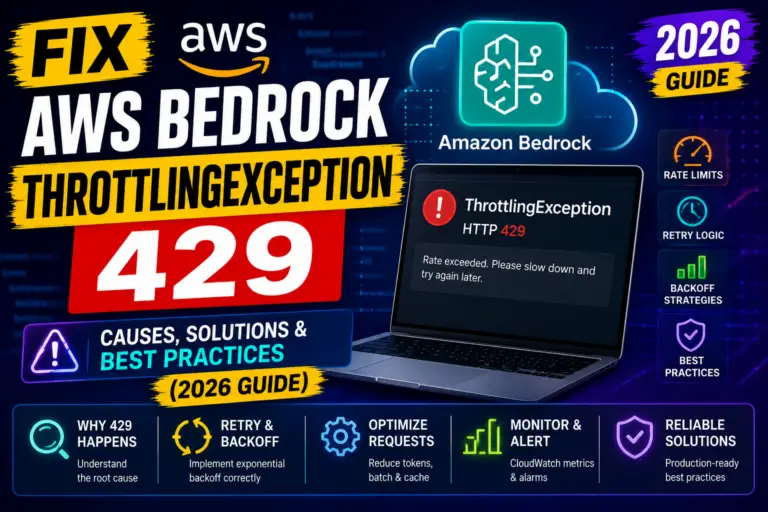
AWS Bedrock’s ThrottlingException 429 hits when your app exceeds the rate limits for a specific foundation model. Unlike OpenAI’s rate limits (per organization), Bedrock has per-model, per-region, per-account limits that …

LinkedIn Premium Career is USD 39.99/month. Premium Business is USD 59.99/month. The USD 20 difference feels significant if you’re paying out of pocket, but the feature gap is smaller than …
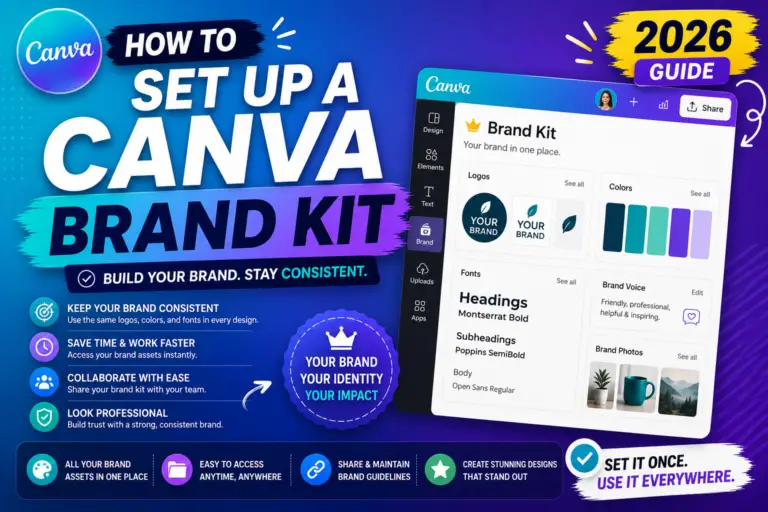
A Canva Brand Kit stores your logo, brand colors, and brand fonts in one place. Every new design starts with them ready. It is the single biggest time-saver in Canva …
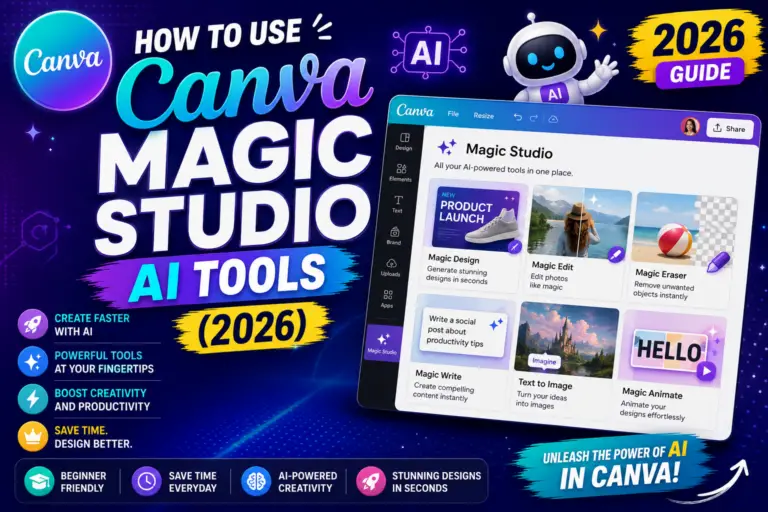
Canva Magic Studio is Canva’s AI toolkit rebuilt around a single console in the April 2026 update (Canva AI 2.0). It bundles Magic Write, Magic Design, Text to Image, Magic …

LinkedIn Learning has 21,000+ courses on tech, business, and creative skills. Normal price is USD 39.99/month as part of LinkedIn Premium. But there are five legitimate ways to access it …
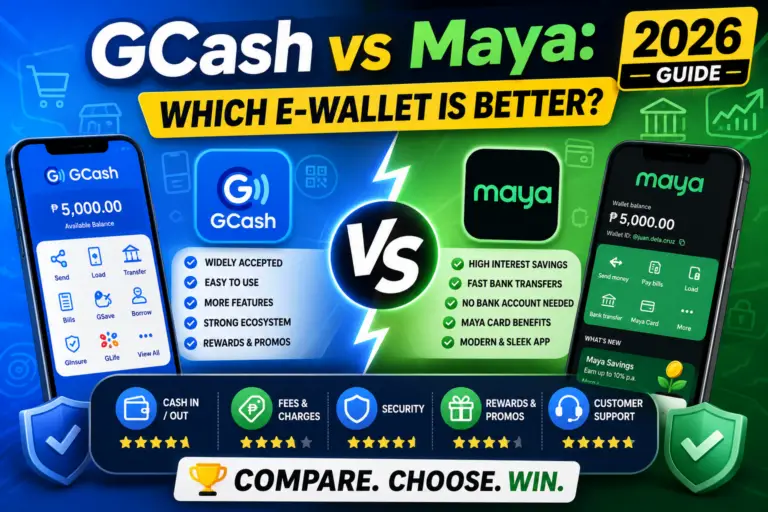
Almost every Filipino I know uses either GCash, Maya, or both. Both are legit, both are safe, both let you pay bills, transfer money, save, invest, and cash out. So …
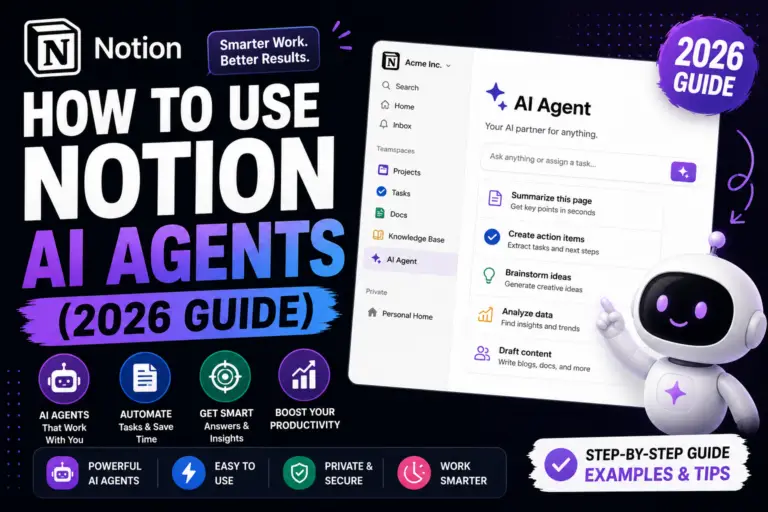
Notion AI Agents shipped in September 2025 and got Custom Agents (Notion 3.3) in February 2026, plus calendar-integrated tools in July 2026. Unlike a chatbot that just answers questions, an …
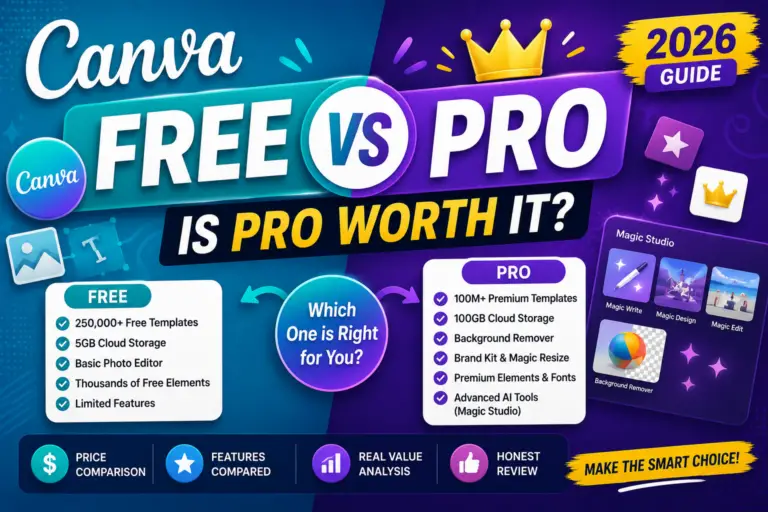
Canva Pro costs USD 14.99/month or USD 119.99/year in 2026. That’s roughly PHP 840/month or PHP 6,720/year for Filipino users. The question everyone asks: is it worth it? The answer …