Free ChatGPT Alternatives (10 Best Options 2026)
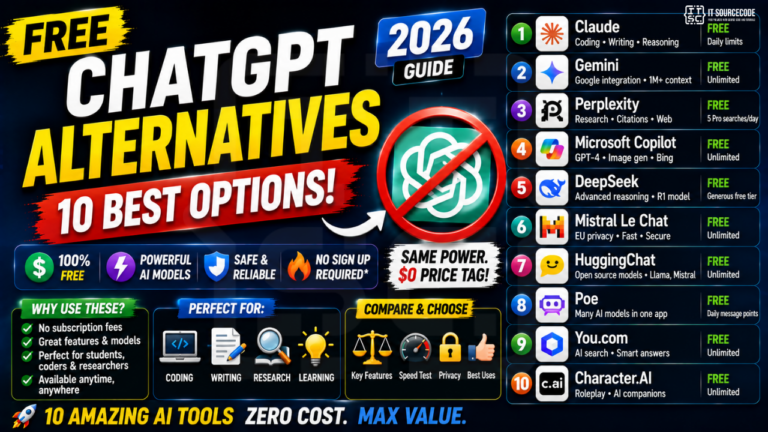
10 best free ChatGPT alternatives 2026: Claude, Gemini, Perplexity, Copilot, DeepSeek, Mistral. Feature comparison + which to pick for your use case.

Your trusted resource for downloadable source code, complete capstone projects with ER diagrams and Chapter 1-5 documentation, AI-ready capstones (RAG, ChatGPT, computer vision), and step-by-step tutorials in PHP, Python, Java, JavaScript, and more. Built by working developers, tested before publishing, and updated for 2026.
📅 Updated weekly | ✅ Code tested before publishing | 👨💻 Built by PIES IT Solutions developers
The fastest-growing capstone category in 2026. Capstones that panels approve faster, AI agents, RAG, real-time computer vision. Build the kind of capstone employers actually look for on resumes.
Free AI capstones with full source code, RAG document Q&A, ChatGPT API apps, local LLMs, computer vision, NLP. The umbrella hub for modern AI capstones.
46 Python computer vision capstones, face detection, hand tracking, pose estimation, document scanning. Real-time on CPU, no GPU required.
23 algorithm-level ML capstones, CNN, classification, recommendation systems, computer vision foundations.
Working source code, ER diagrams, and step-by-step setup for the languages BSIT panels recognize. Every project tested before publishing.
319 free PHP + MySQL capstones, school, hotel, hospital, e-commerce, inventory, payroll. Each includes ERD and setup instructions.
296 Visual Basic .NET Windows Forms capstones, the dominant Philippine BSIT panel stack. Hotel, POS, Hospital, Payroll, Inventory.
250 Python capstones, Tkinter desktop, Django web, Pygame games, OpenCV vision, ML and AI integration.
127 Java capstones, NetBeans + MySQL desktop applications. Hotel, Library, Hospital, POS, ATM, School systems.
111 Django web management systems, modern Python full-stack capstones. School, e-commerce, hospital, banking, transport.
74 Laravel PHP MVC capstones, School, E-commerce, Hospital, POS, Inventory, Banking. Modern PHP for production-quality defense.
58 C# + SQL Server Windows Forms projects and reference snippets, DataGridView, ListView, ComboBox patterns plus management systems.
55 vanilla JavaScript, Vue.js, and Node.js projects, browser games, calculators, CRUD demos, Vue SPAs.
The Chapter 1-5 documentation, UML diagrams, database designs, and foundation language resources every BSIT student needs to pass capstone defense.
302 free ER, DFD, Use Case, Class, Activity, Sequence, Component, and Deployment diagrams for capstone Chapter 3.
145 capstone idea lists and Chapter 1-5 thesis documentation templates for BSIT, BSCS, and engineering students.
35 ER diagrams and SQL schemas, Hospital, Library, POS, Inventory, Salon, Clinic, Restaurant, Resort.
132 foundational C and C++ mini-projects, console games, mini management systems, OOP patterns. Perfect for 1st-2nd year coursework.
Learn the language first, then ship a capstone. Free tutorials with working examples.
599 JavaScript and Node.js language tutorials, syntax, features, frameworks, debugging.
150+ Python tutorials covering OOP, file I/O, web scraping, async, and library usage (pandas, numpy, matplotlib).
Modern TypeScript tutorials covering types, generics, and integration with React/Node.
Beginner-to-intermediate PHP tutorials with practical examples for capstone use.
The most comprehensive Python & JavaScript error reference on the open web. 10 cross-linked hubs covering TypeError, ModuleNotFoundError, AttributeError, ValueError, ImportError, NameError, RuntimeError, SyntaxError, ReferenceError, and HTTP errors. Each post explains the root cause and gives 2-4 alternative fixes.
220+ Python & JavaScript TypeError fixes, NoneType, not callable, cannot read property.
198+ Python import error fixes, pip install, virtualenv, TensorFlow, PyTorch, Flask, Django.
173+ "object has no attribute X" fixes, NoneType, pandas, NumPy, sklearn, Selenium.
100+ pandas, NumPy, sklearn, TensorFlow ValueError fixes.
67+ "cannot import name X from Y" version-conflict fixes, Flask, Werkzeug, ML libraries.
49+ Python "name X is not defined" fixes, numpy, pandas, Jupyter, Python 2→3 migration.
49+ PyTorch CUDA, asyncio, Flask context, mutation-during-iteration fixes.
48+ Python & JavaScript parsing errors, EOF, EOL, unexpected token, import.meta.
34+ JavaScript "X is not defined" fixes, Node ESM, SSR, React, browser globals.
35+ HTTP 4xx and 5xx status code explanations, 403, 404, 429, 500, 502, 504.
20+ Python KeyError fixes, dict missing keys, pandas, JSON API responses, environment variables.
30+ Python IndexError fixes, list out of range, tuple, string slicing, list comprehension, re.findall.
10 best free ChatGPT alternatives 2026: Claude, Gemini, Perplexity, Copilot, DeepSeek, Mistral. Feature comparison + which to pick for your use case.
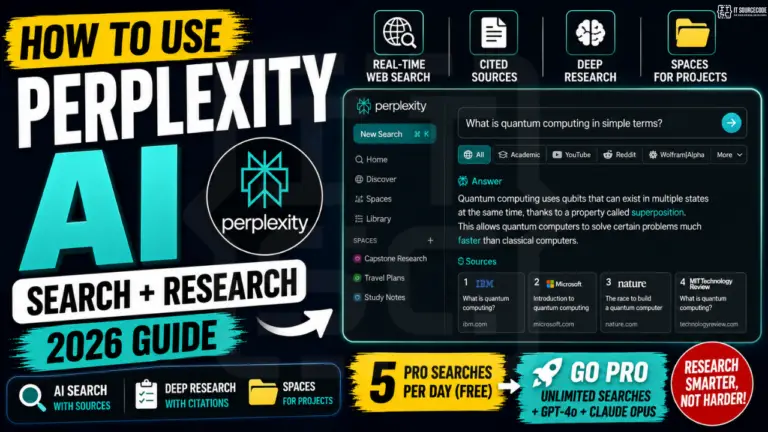
Complete Perplexity AI guide 2026: sign up, Pro Search, Spaces, focus modes, source citations. Free vs Pro pricing. Better than Google for research.
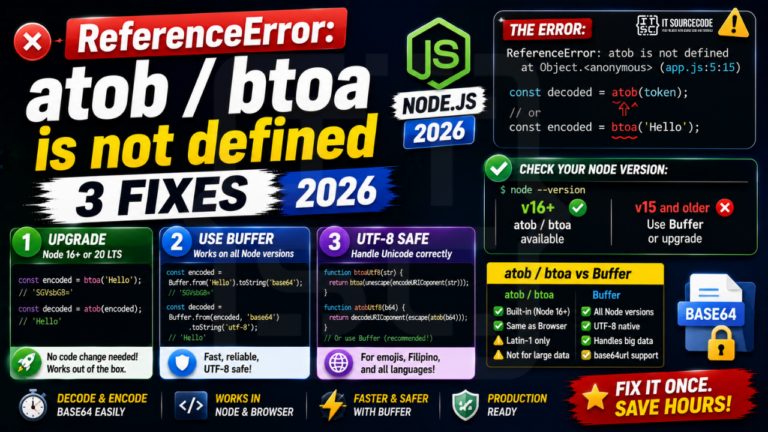
atob (“ASCII to binary”) decodes Base64 and btoa encodes it. Browsers had them forever; Node only added them as globals in v16. If you see ReferenceError: atob is not defined …
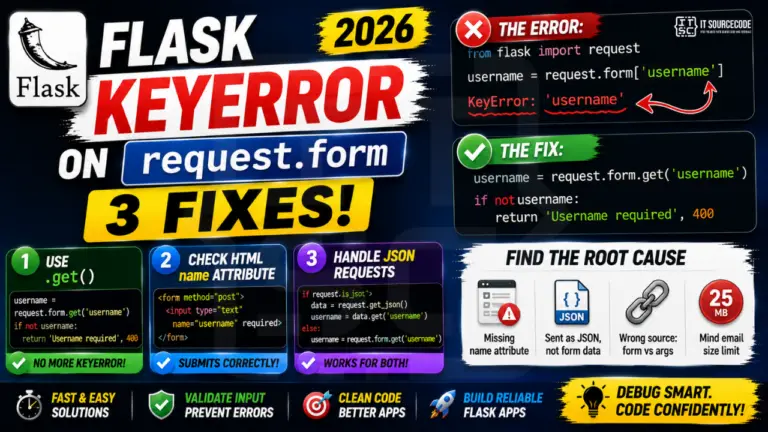
Fix Flask KeyError on request.form. Top causes: missing input name attribute, wrong Content-Type from AJAX, accidentally reading from request.args. 2026 fixes.
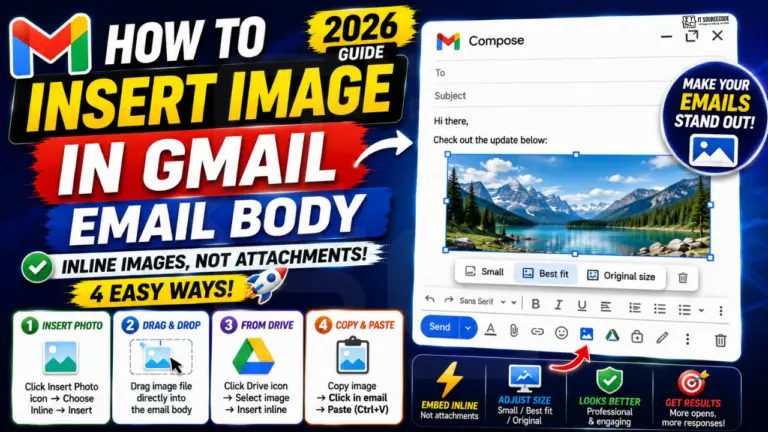
Insert inline images into Gmail email body from Drive, upload, or drag-drop. Step-by-step 2026 guide with size tips.
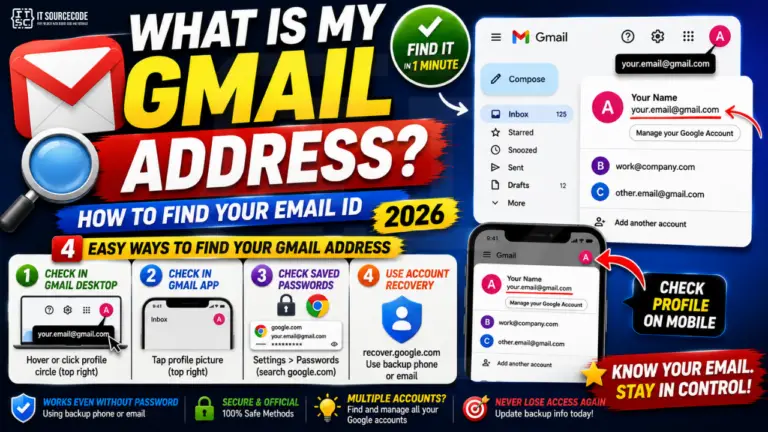
Not sure what your Gmail address is? 4 fast ways to find your email ID on desktop, mobile, and browser sign-in pages. 2026 guide.
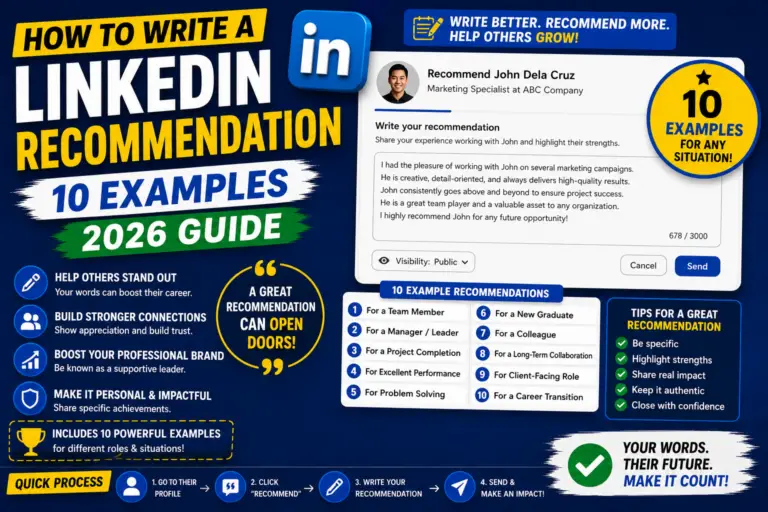
A LinkedIn recommendation is a public statement praising someone’s work. Great recommendations help both parties: the recipient’s profile stands out to recruiters, and the writer establishes themselves as generous and …
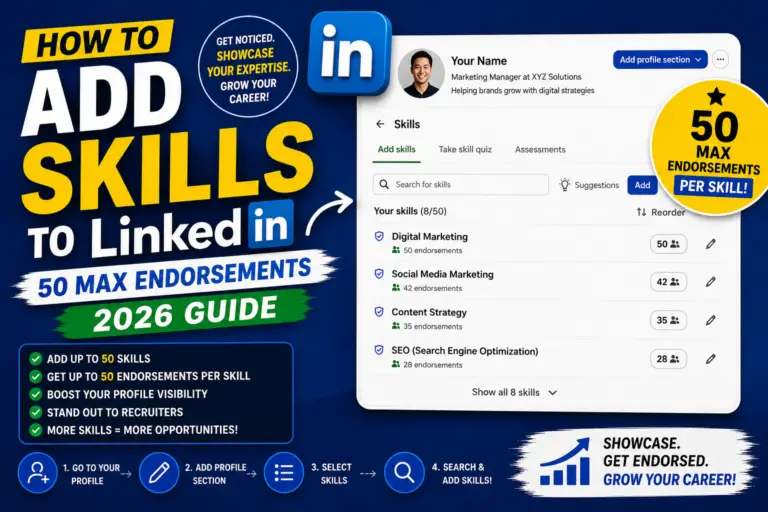
Skills on LinkedIn are what recruiters filter by. Add the right skills, in the right order, endorsed by the right people, and you show up in more recruiter searches. LinkedIn …
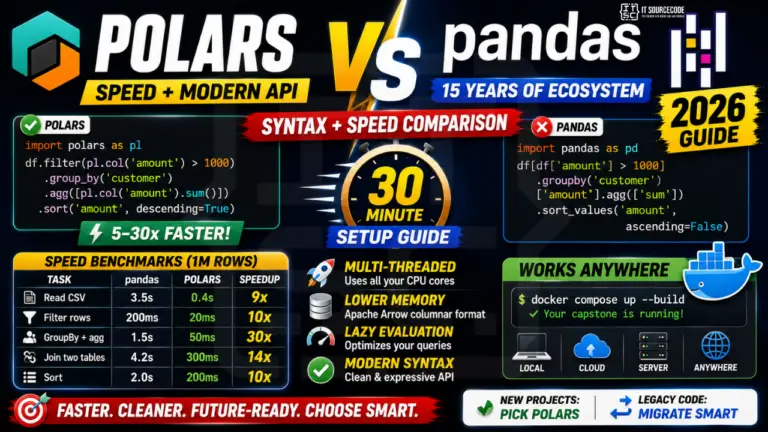
Polars vs pandas in 2026: speed benchmarks, syntax comparison, memory, ecosystem. When to pick each. Real migration guide with code examples.
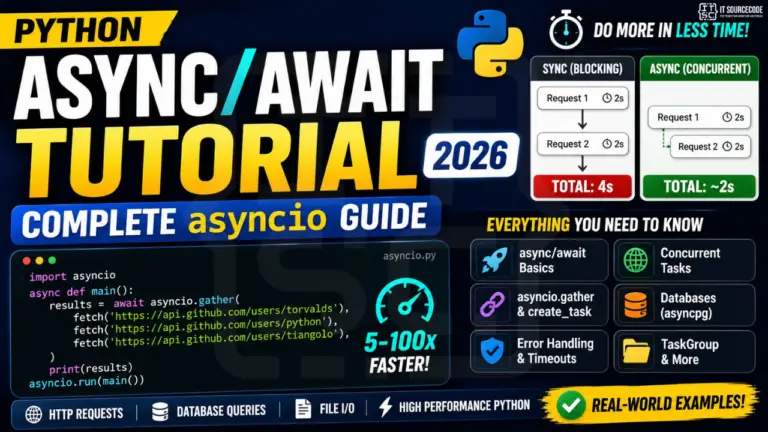
Complete Python async/await guide 2026: asyncio, tasks, gather, HTTP requests, error handling, when to use. Real examples for developers.
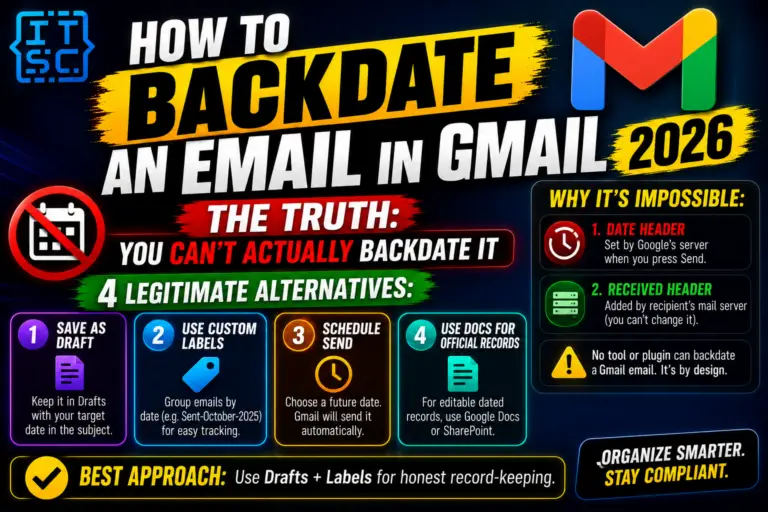
Learn why Gmail cannot truly backdate an email and what proven alternatives work: draft dates, delayed send, and label workflows for 2026.
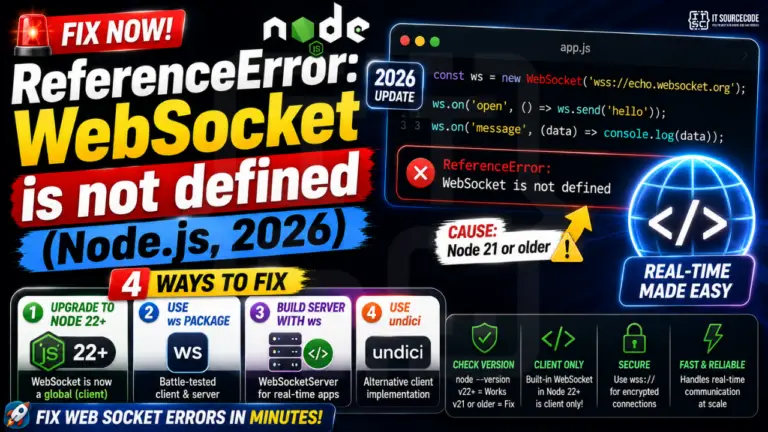
Browsers have had WebSocket as a global since 2011. Node.js shipped it as a stable global in v22 (late 2024). If you are on Node 21 or older, you will …