
This article provides a list of the best Python books for beginners and advanced learners.
As the popularity of the Python programming language increases, so do the opportunities for those who know how to program in Python.
If you wish to learn Python programming, books are an excellent starting point.
The topics covered in the book are data analysis, encoding, structures, algorithms, metaprogramming, concurrency, networking, web programming, testing, and scraping data.
It also provides code samples and explanations for how they work.
What is Python Programming?
Python is a high-level scripting language that is interpreted, can be used interactively, and is an object-oriented scripting language.
In this Python Programming Overview, Python is made easy to understand. It uses English keywords a lot and has fewer syntactical constructions than other languages.
List of the Best Python Books for Beginners and Expert
Below is the list of Best Python Books for Beginners:
Python Crash Course

Eric Matthews’ Python Crash Course is one of the greatest Python books for beginners. It provides a fast-paced and comprehensive Python language for beginners who want to create Python programming and write useful programs.
This book will get you programming quickly. This book can help those with a vague familiarity with Python before programming.
You’ll learn how to use Django, Matplotlib, Paygame, and Plotly to build interactive data visualizations. Python programmers recommend this book to learn Python.
Automate the Boring Stuff with Python, 2nd Edition: Practical Programming for Total Beginners
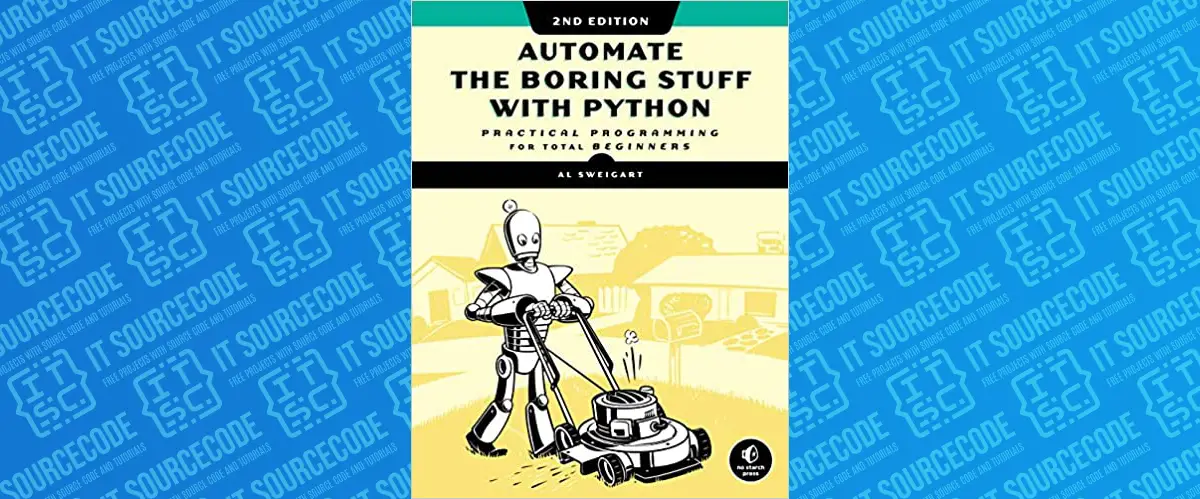
This Automate the Boring Stuff with Python, 2nd Edition is the best-selling Python book that teaches Python 3 to beginners, liberal arts majors, and geeks.
The book includes step-by-step instructions for writing Python programs fast and efficiently. AI Sweigart’s book pushes readers with updated practice as they read.
This book covers Python basics and rich library modules for web scraping, reading PDFs and Word documents, and automating repetitive tasks.
Reading about the above books can help people who are already good at programming get even better.
You’ll learn how to make programs that can search for and change text files, folders, the web, Excel spreadsheets, and forms.
Learning Python, 5th Edition
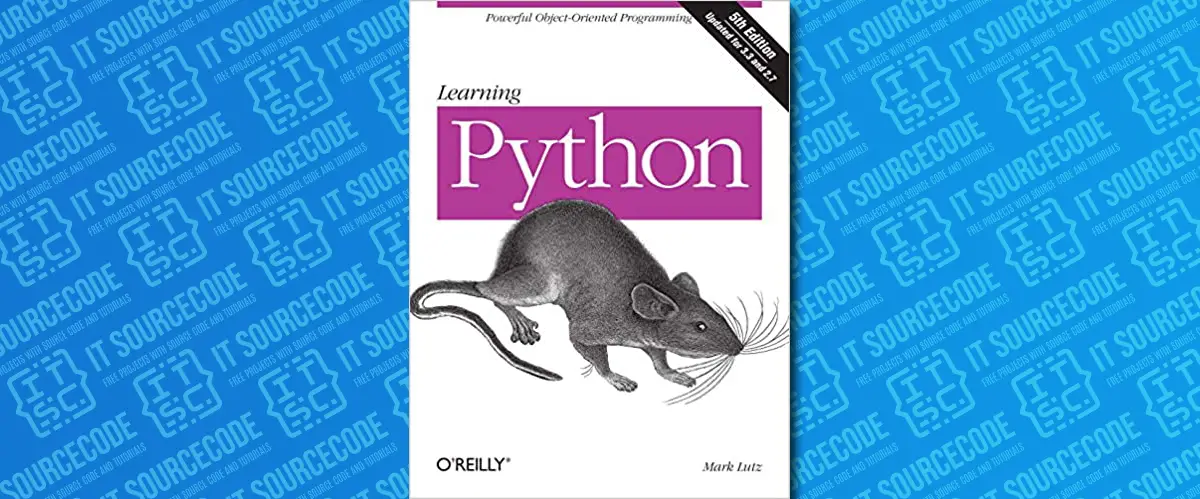
Mark Lutz’s Learning Python, 5th Edition offers a complete introduction to Python based on his training course. This book supports high-quality code writing.
This book is for Python beginners and professionals.
The book explains Python’s built-in object types, like numbers, lists, and dictionaries. The learner knows code redundancy and organizes statements. This book introduces Python OOPs through classes.
End-of-chapter topics include exception management, Python decorators, metaclasses, descriptors, and Unicode processing.
Head-First Python (2nd edition)
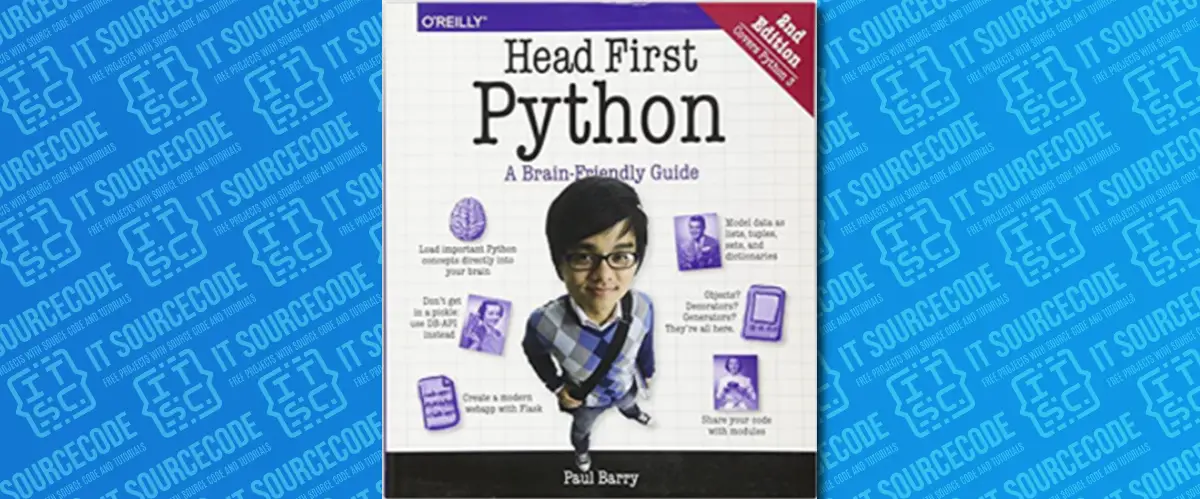
Paul Barry’s Head-First Python is a novel. This is one of the best Python books because it teaches the basics of Python programming quickly and easily.
This book teaches Python programming, built-in functions and data structures, web app creation, data wrangling, and error management. The book’s graphic structure helps the learner retain more information.
Paul Barry worked in IT for over a decade before becoming a lecturer in Ireland. He wrote ‘Head First Python,’ ‘Head First Programming,’ and ‘Programming the Network with Perl.’
Elements of Programming Interviews in Python: The Insiders’ Guide
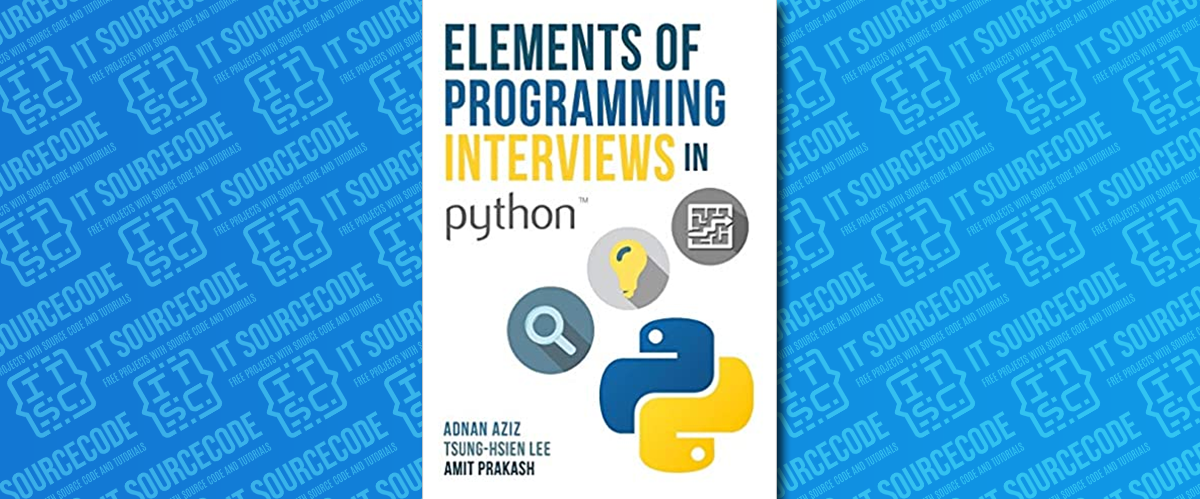
This Elements of Programming Interviews in Python challenges learners with 250 Python programming problems.
These questions reflect software company interview questions. 300 tested programs, 200 figures, and 150 variants with detailed solutions are included.
This book also offers non-technical interviewing recommendations, bargaining advice, and EPI usage guides. Data structures and algorithms are included to help learners.
“Elements of Programming Interviews in Python” covers fundamental to advanced data structures.
Each chapter includes an introduction, case study, advice, a review of essential library practices, and thought-provoking issues.
Free Python Books for Beginners
Here is the list of Free Python Books for Beginners:
Learning with Python: How to Think Like a Computer Scientist
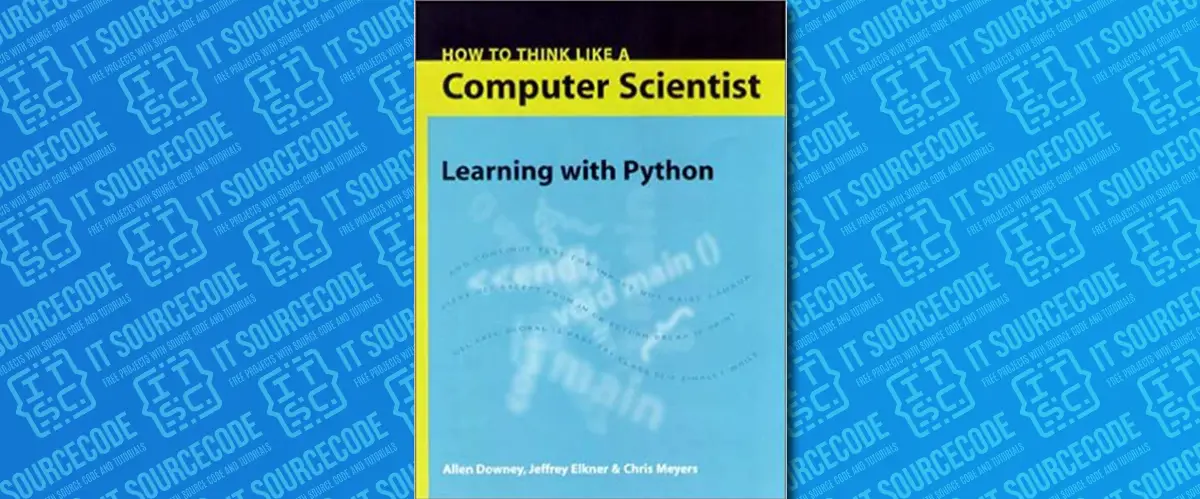
The book Learning with Python: How to Think Like a Computer Scientist introduces Python and programming.
The first section introduces programming and defines a program. Other topics include variables, conditionals, functions, fruit functions, and iteration. The book discusses objects, debugging, lists, stacks, trees, queues, inheritance, and trees.
Free PDF, Postscript, Gzipped Rar, and HTML versions were available. Downloading and printing the book’s files is free for those who want to learn Python programming.
Downloads are available in Spanish, German, Italian, and Czech.
A Byte of Python
C.H. Swaroop’s free book ‘A Byte of Python‘ is one of the greatest publications on Python programming for beginners. The book focuses on Python 3 but can help you adapt prior versions.
Translated into Chinese, French, Swedish, Turkish, Spanish, German, Ukrainian, Russian, Korean, and Portuguese. Active community members produce these translations and keep the book updated.
The book introduces Python and its history as one of the most influential programming languages. The book considers readers’ dedication. Then it describes Python ideas with examples at each level.
The book ends with a problem to solve to evaluate the reader’s skills so they can continue learning Python.
Introduction to Machine Learning with Python: A Guide for Data Scientists
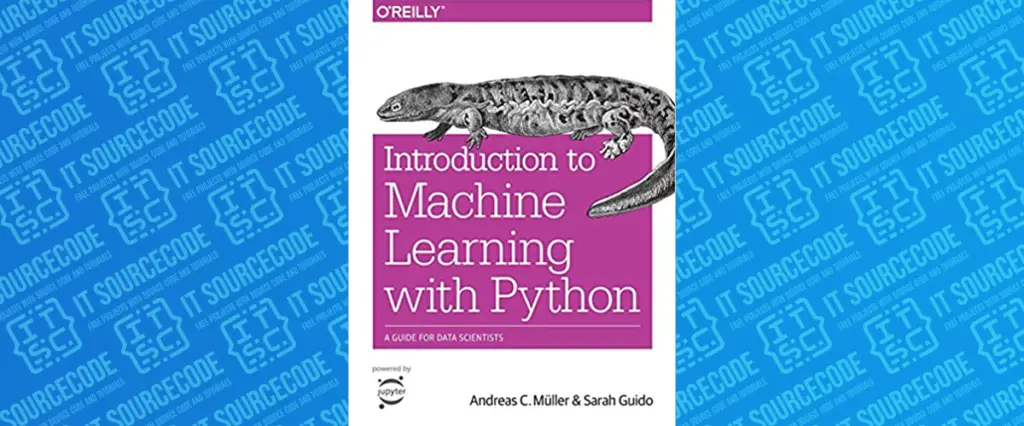
Many corporate applications and programs have used Introduction to Machine Learning with Python: A Guide for Data Scientists. This book teaches users how to utilize Python to develop machine-learning solutions. As data utilization expanded, only imagination limited machine learning applications.
This book teaches users how to create Python and sci-kit-learn machine-learning software. The book presents machine learning concepts and applications before discussing the benefits and cons of common algorithms.
Advanced methods for model evaluation and pipelines, which include workflow and chain models, are also covered. The book offers tips for improving data science skills.
Fluent Python: Clear, Concise, and Effective Programming
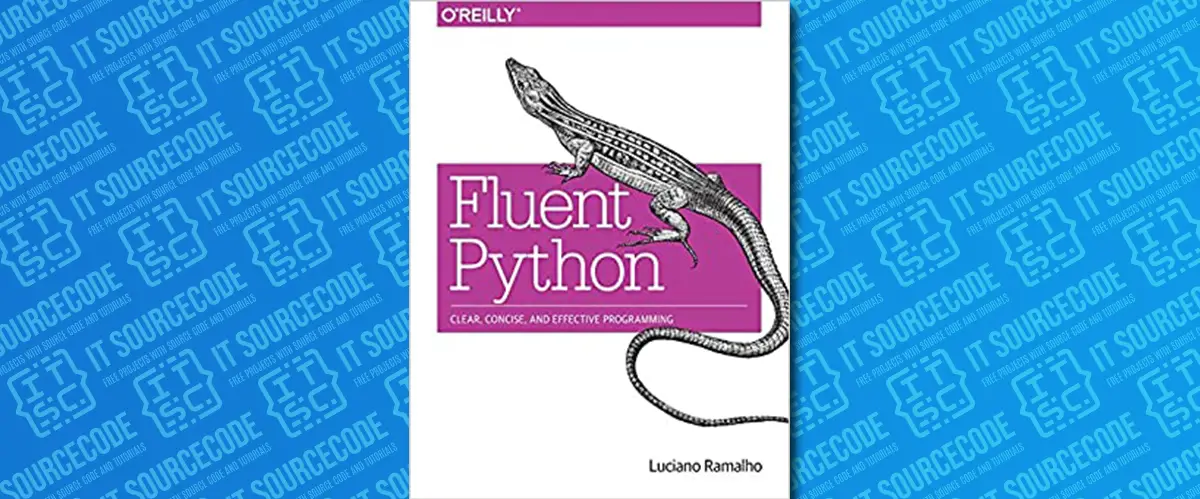
Luciano Romalho’s book ‘Learn Python Clear, Concise, and Effective Programming‘ teaches beginners how to develop usable Python code leveraging the language’s best features.
The book introduces Python’s features and libraries and helps readers write shorter, readable code. The book introduces Python’s data model, object-oriented idioms, control flow, function as objects, and metaprogramming.
Python newbies must understand these topics. Advanced Python programmers can learn Python 3 with this book.
Luciano Romalho, a Web Developer who has worked with major Brazilian news portals using Python, is one of the writers.
Python Cookbook: Recipes for Mastering Python 3
David Bealy and Brian K. Jones ‘Python Cookbook: Recipes for Mastering Python 3‘ helps newcomers master Python 3 and upgrade Python 2 programs.
The cookbook contains tried-and-true Python 3.3 recipes for experienced programmers who want to use modern tools and idioms. The book covers Python and its uses in a range of application sectors.
Strings, functions, data, classes, iterators, structures, modules, concurrency, packages, testing, debugging, and exceptions are covered.
The recipes assume readers comprehend the book’s contents. Each recipe includes sample code for readers’ projects. The book finishes with a discussion of the codes’ effectiveness.
Best Python Books for Kids
Below is the list of Best Python Books for Kids:
Python for Kids
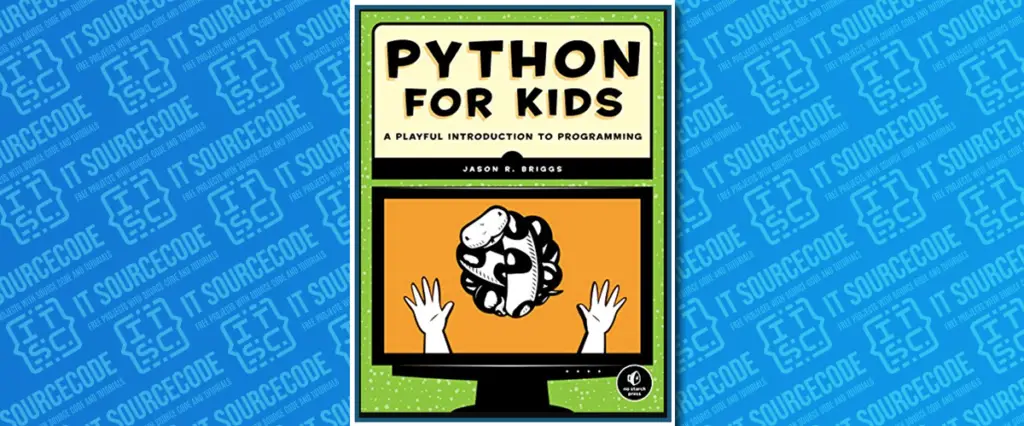
Jason R. Briggs’ book Python for Kids is a simple and easy-to-follow introduction to Python programming for kids 10 and up. This book is well-illustrated and informative.
The book covers Python variables, operators, strings, lists, tuples, dictionaries, turtle libraries, conditional expressions, loops, functions, and modules.
Coding Projects in Python
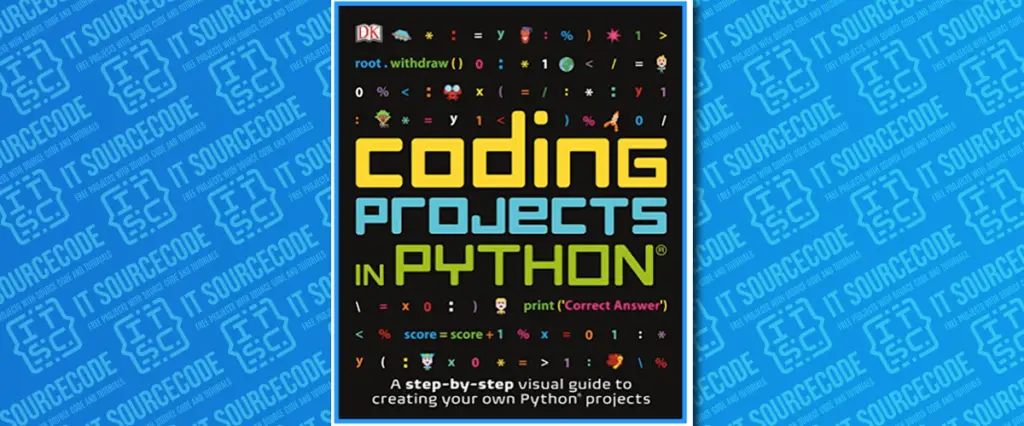
A Coding Projects in Python by DK teaches novices and youngsters aged 9-12 to construct software, even if they have no programming expertise.
The book’s rear section is a grocery reference that’s excellent for kids and beginners.
The book teaches beginners how to download, install, and write Python programs.
Python in Easy Steps
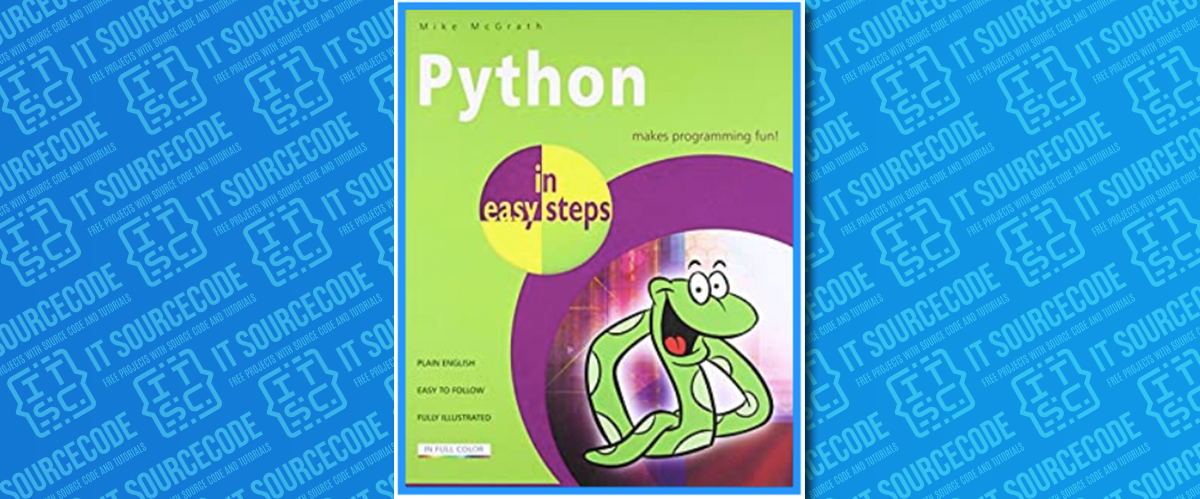
Python in Easy Steps by Mike McGrath is for beginners and young people. The book explains coding in bite-sized portions.
The book is good for middle school pupils who have some expertise with languages like Scratch.
Bonus Python Books
This Python Books for Beginners and Advanced gives you these Bonus Python Books:
Programming Python: Powerful Object-Oriented Programming
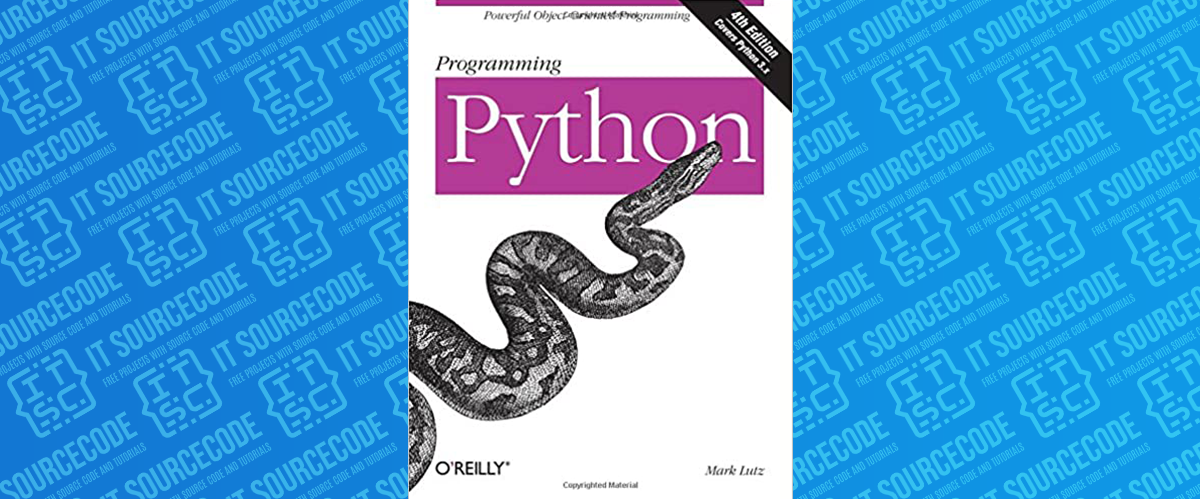
Mark Lutz’s book Programming Python is suitable for programmers who already know Python basics and want to improve their skills.
This book covers GUIs, system administration, and the Web in depth.
This book explains how the database employs Python, networking, text processing, front-end scripting, and more.
The book discusses commonly used tools, programming methodologies, and language syntax. This book shows proper usage and idioms.
The book explores the language of a software development tool, with several examples.
Learn Python the Hard Way (3rd Edition)
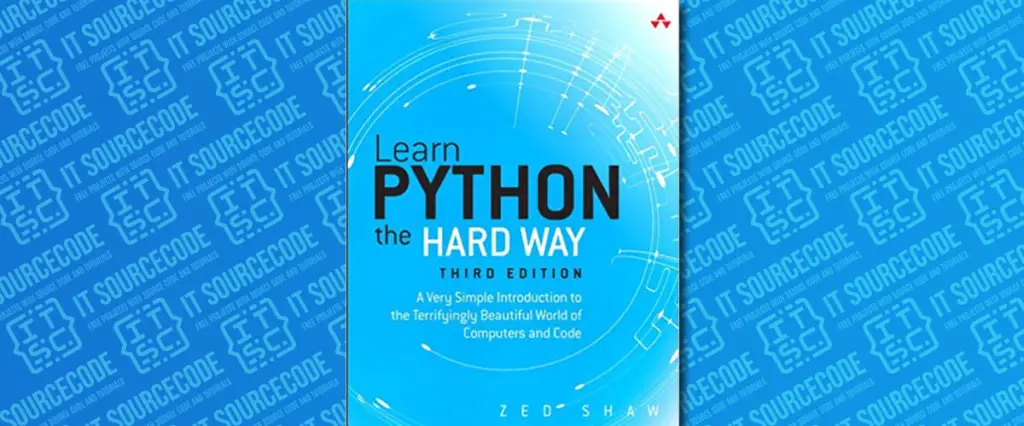
Zed A. Shaw’s Learn Python the Hard Way (3rd Edition) contains 52 exercises. It’s great for novice programmers, junior developers, and returning professionals.
This book teaches practical coding through activities and problem-solving.
This book covers basic math, variables, files, strings, program design, loops, and data structures.
Python exercises help programmers improve their coding skills, understand how the software works, and identify and fix code issues.
New Python books worth buying in 2026
Four books published in the last 3 years deserve a place on any serious Python developer’s shelf. These don’t replace the classics, but they reflect how Python has evolved since 2020:
1. Robust Python: Write Clean and Maintainable Code (2024) by Patrick Viafore
The first book to focus heavily on Python type hints, mypy, dataclasses, and Protocol types — features that are now standard in professional Python codebases but were treated as advanced topics in older books. Essential reading for anyone writing Python in a team or maintaining a codebase larger than 10,000 lines.
Best for: intermediate developers transitioning to professional Python work, BSIT students preparing for software engineer roles.
2. Fluent Python, 2nd Edition (2022) by Luciano Ramalho
The definitive intermediate-to-advanced Python book, updated for Python 3.10+. Covers data classes, async, pattern matching, and the modern type system. The second edition is significantly different from the first — make sure you get the 2022 edition specifically.
Best for: developers with 1+ years of Python experience who want to deeply understand the language internals.
3. Python Distilled (2022) by David Beazley
A concise rewrite of the author’s classic Python Essential Reference. Tighter, more opinionated, and focused on idiomatic Python 3.10+ code. Reads like a senior engineer’s notebook rather than a textbook.
Best for: experienced developers from other languages (Java, C++, Go) learning Python quickly.
4. Designing Machine Learning Systems (2022) by Chip Huyen
Not strictly a “Python book,” but the practical complement to ML libraries (scikit-learn, PyTorch, TensorFlow). Covers data pipelines, model deployment, monitoring, and production ML system design — the gap between “ML tutorial” and “real ML engineering job.”
Best for: BSIT students interested in ML/AI specialization, given that ML engineers in the Philippines earn PHP 60,000-300,000 per month.
Best Python Book PDF
Download the Best Python Book PDF file below by clicking the button:
Frequently Asked Questions
What is the best Python book for absolute beginners in 2026?
Should I learn Python from a book or online tutorial?
Are Python books worth it when I can learn from YouTube?
How long does it take to learn Python from one book?
What is the difference between “Learning Python” and “Fluent Python”?
Are Python books in PDF format legal to download?
Which Python book covers machine learning best?
Do Python books help with passing the Python PCEP and PCAP certifications?
Are these books worth buying in 2026 if Python keeps changing?
Conclusion
Here are the best books to learn Python for beginners. These resources will provide valuable information and guide you through your journey of exploring the Python language.
Advanced programmers can further enhance their skills by reviewing the book descriptions above and exploring the related articles below.
Wow, I like the way you describe the unique content. The points you raise are valid and reasonable. If any of the final year students are looking for the software engineering projects