
What is 501 Not Implemented?
The 501 Not Implemented is an HTTP status code that simply means the server does not support the functionality required to fulfill the request.
Also, it is an indication that the server cannot carry out the function needed to fulfill the request.
This response is appropriate when the server doesn’t recognize or can’t support the request method for any resource.
Moreover, a 501 HTTP error isn’t an issue originating from your personal computer or your internet browser.
The problem lies with the web server or the website it hosts.
Most of these errors arise when the web server’s owner fails to activate a feature that’s required to process a server request.
Root Causes of HTTP 501 Not Implemented Error
The root causes of a 501 Not Implemented error include the following:
- Unsupported HTTP methods:
The error can happen when the server doesn’t support the HTTP method (like GET, POST) used in the client’s request.
- Outdated Server Stack:
This is a less likely cause for error, but the server stack could be outdated, perhaps because your provider hasn’t updated their stack.
- Viruses and Malicious Files:
The failure of your browser to connect with the web server could be due to the presence of viruses or harmful files in your system.
Here are a few variations you might encounter on the internet:
- 501 Not Implemented
- Error 501
- HTTP 501
- HTTP Error 501 Not Implemented
- Either the server does not identify the method of the request, or it is incapable of executing the request.
How to Fix HTTP 501 Not Implemented?
To fix the 501 Not Implemented error, here are the following solutions:
Solution 1: Reload or Refresh the Page
The issue might be temporary, even if the error is on the server.
Try reloading the page by pressing F5 or clicking the refresh button.
If the website administrator rectifies the issue promptly, refreshing the webpage might eliminate the error.
Solution 2: Check the Website’s Server Status
Site monitoring tools provide real-time reports of server outages for websites and online services.
If the tools indicate a server downtime or outage, you’ll have to wait until the website is restored and operational again.
Solution 3: Try a Different Browser
Accessing the website through an alternate browser can assist in identifying whether the issue originates from your browser, your device, or the website’s servers.
Solution 4: Clear Your Browser Cache
For some individuals, the persistent error code is caused by an outdated or corrupted file that’s stored in your web browser’s cache.
This can help clear out any old or corrupted data that might be causing the problem.
When you clear them, you get new info from the website’s server.
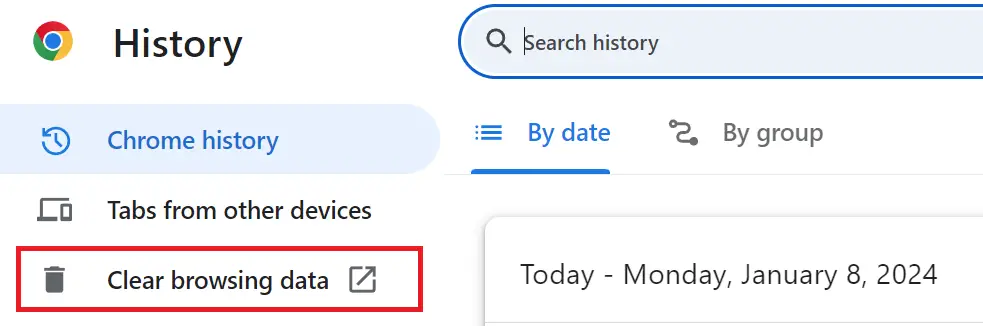
If you use Google Chrome, here’s how to clear its cache:
- Click the three dots in the top-right corner of your window. You can also use the keyboard shortcut (Ctrl + H).
- Go to History History.
- Click on Clear Browsing Data.
- A new window will appear. Choose the Time range, if you wish to erase all data, select All Time.
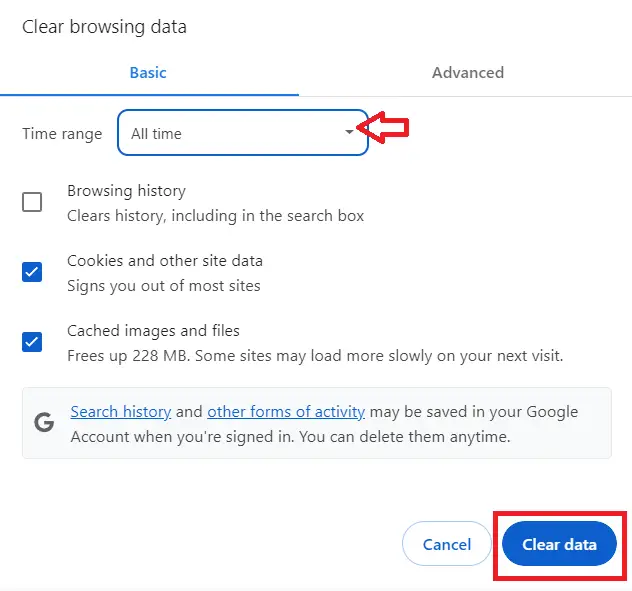
- Select what you’d like to clear- this could be browsing history, cookies, and other site data, or cached images and files.
- Then, hit the Clear Data button.
If a web page’s cached version has an issue, it could lead to the 501 Internal Server error.
You might be able to fix this problem by clearing your browser’s cache.
Solution 5: Disable Proxy Settings
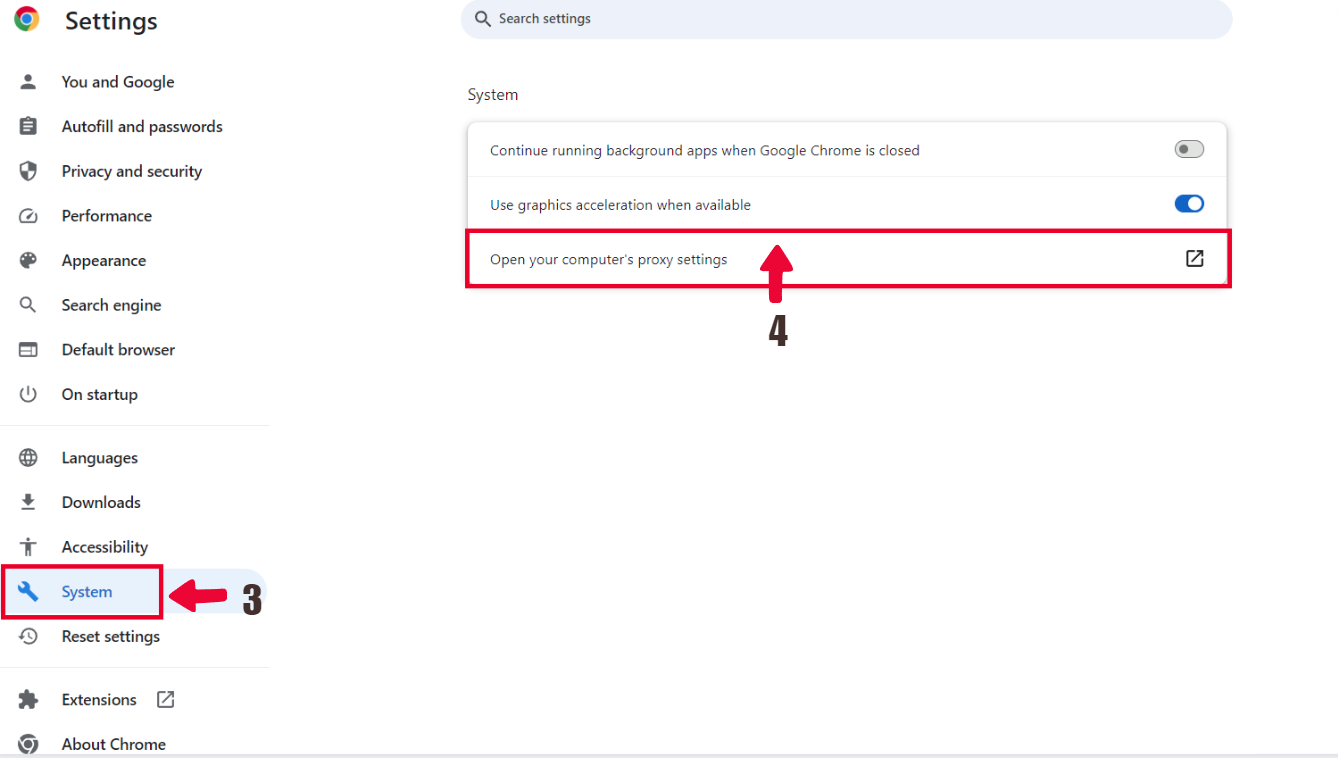
To fix the error, you need to disable proxy settings, and here’s the step-by-step guide:
- Click the Customize and Control Google Chrome.
- Then select Settings.
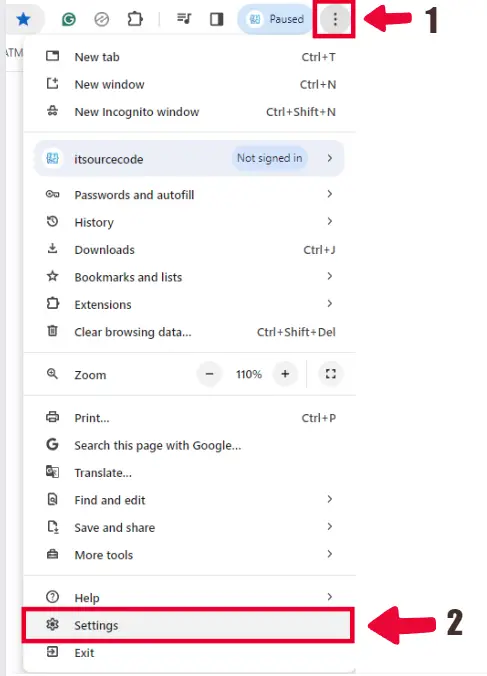
- Click System.
- Then choose “Open your computer’s proxy settings”.
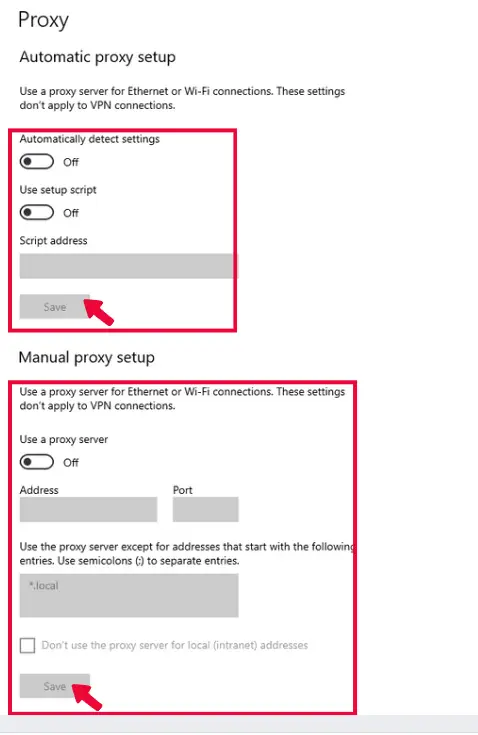
- In the section for Automatic proxy setup, switch the Automatic detect settings to the Off position.
- In the section for Manual proxy setup, switch the Use a proxy server to the Off position.
- After that, you have to click save.
Solution 6: Perform a Virus Scan
By conducting a thorough scan, you can eliminate any malware present in your system.
This ensures that there are no security threats in your system that could lead to a breakdown in communication.
Please note that a 501 error is not something you can fix, but sometimes it needs to be fixed by the web server you are trying to access.
Conclusion
The 501 Not Implemented is an HTTP status code that simply means the server does not support the functionality required to fulfill the request.
It is an indication that the server lacks the ability to carry out the function needed to fulfill the request.
By implementing the solutions provided above, you can confidently address and resolve this issue.
I hope this article helps you rectify this error.
For further learning, you can also check the following HTTP status code:
- HTTP Status Code 428
- HTTP Status Code 429
- HTTP Status Code 431
- HTTP Status Code 451
- HTTP Status Code 500
Frequently Asked Questions
What does an HTTP error status code mean?
HTTP status codes communicate request outcomes. 4xx codes mean the client did something wrong (404 not found, 403 forbidden, 429 too many requests). 5xx codes mean the server did something wrong (500 internal error, 502 bad gateway, 503 unavailable, 504 timeout). The exact code tells you where to look for the fix.
How do I fix HTTP 500 Internal Server Error?
500 means the server crashed processing your request. Three places to look: (1) Server logs (Apache error log, nginx error log, your Flask/Django console). (2) Database connection or query errors. (3) Unhandled exceptions in your application code. If you see 500 in production, check application logs first; the actual error message is usually clear.
How do I fix HTTP 502 Bad Gateway?
502 means the proxy (nginx/Apache) couldn’t reach your application server (gunicorn/uvicorn/PHP-FPM). Check: (1) Is your app server running? systemctl status gunicorn. (2) Is it listening on the port nginx expects? netstat -plnt. (3) Are there OOM crashes killing the worker? dmesg | grep -i oom. Restart the app service first as the quick fix.
What is the difference between HTTP 401 and 403?
401 Unauthorized: you’re not logged in (or your auth token is missing/expired). The fix: authenticate first. 403 Forbidden: you’re logged in but don’t have permission for this resource. The fix: check user roles/permissions. Two different fix paths despite similar-sounding names.
Where can I find more HTTP error fixes?
Browse the HTTP Errors reference hub for 35+ specific status code explanations and fixes. For backend troubleshooting see the Python Tutorial or PHP Tutorial hubs.

Caren Bautista
Technical Writer at PIES IT Solution
Responsible for crafting clear, well-structured, and beginner-friendly content across the platform. Handles the writing, proofreading, and editorial review of tutorials, guides, and documentation to ensure every article is accurate, readable, and easy to follow.
Expertise: Technical Writing · Content Creation · Documentation · Editorial Writing · JavaScript · TypeScript · Python · Python Errors · HTTP Errors · MS Excel · View all posts by Caren Bautista →