
HOW TO STAY SIGNED IN ON GOOGLE – Achieving seamless sign-in continuity across various devices on Google services is crucial for uninterrupted productivity and accessibility.
Last updated: July 27, 2026. Verified working with current app versions.
This guide offers insights into optimizing sign-in settings and troubleshooting common issues in your Google Gmail to ensure a smooth experience across platforms.
How to Stay Signed in on Google on Desktop or Web?
Time needed: 2 minutes
Here’s the step-by-step guide on how to stay signed in on Google on Desktop or Web.
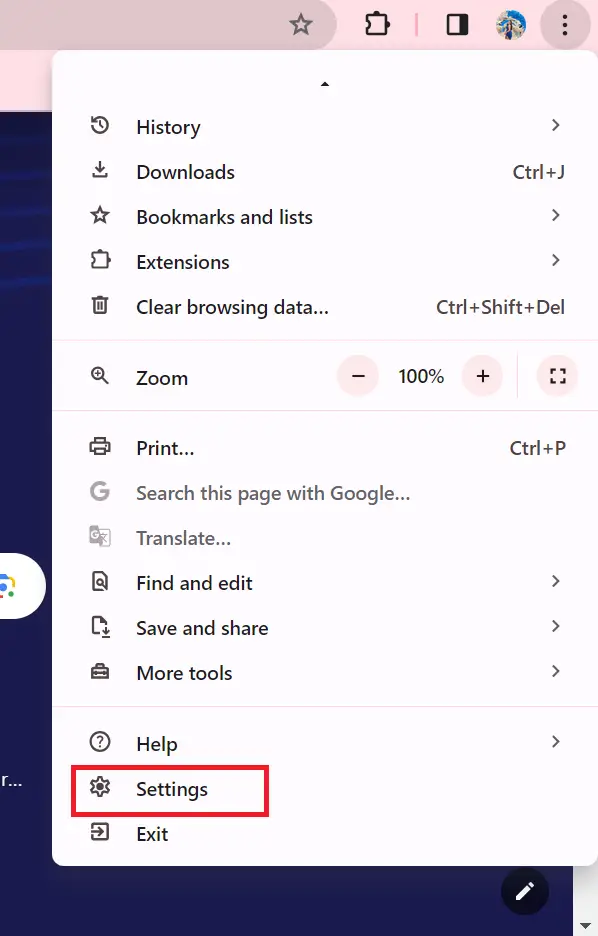
- Open Google Chrome, click the wrench icon, then select “Settings”.

- Go to “Under the Hood” in the sidebar.
- Click “Content Settings” under the “Privacy” section.

- Choose “Allow local data to be set (recommended)” then close the “Settings” window..
- Visit a site, log in, and check the “Stay signed in” box.

How to Stay Signed in on Google on iPhone?
- Launch the “Settings” application on your iPhone.
- Scroll through the options and touch “Passwords & Accounts.”
- Choose “Website & App Passwords.”
- Verify your identity using either your device passcode, Touch ID, or Face ID.
- Locate and select the entry labeled “accounts.google.com.”
- Tap on “Edit” located in the upper-right corner.
- Flip the switch next to “Always Allow” to activate it.
- Exit the Settings application.
With these adjustments, your Google account should remain signed in on your iPhone, reducing the need for frequent credential re-entry.
How to Stay Signed in on Google on Safari?
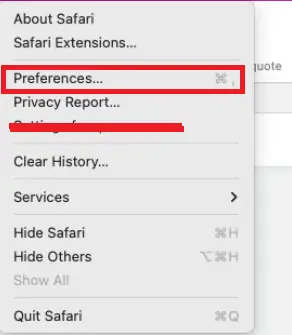
- In Safari, go to the “Safari” menu and choose “Preferences.”
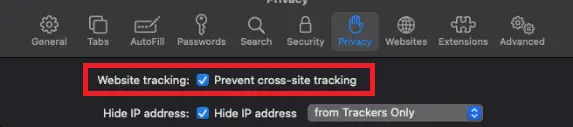
- Navigate to the Privacy tab and deselect the option labeled “Prevent cross-site tracking.”
- Close and reopen Safari to apply the changes.
- Following these steps should ensure everything is configured correctly!
Frequently Asked Questions (FAQs)
How can I ensure I stay signed in on Google across multiple devices?
To stay signed in on Google across various devices, ensure you check the “Stay signed in” or “Remember me” option when logging in. Additionally, make sure your browser settings allow for cookies and site data to be saved.
Why does Google keep signing me out automatically?
Google may sign you out automatically for security reasons, especially if you’re using a public or shared device. To minimize this, regularly update your browser and ensure you’re logging in from a secure network. Also, consider enabling two-factor authentication for an added layer of security.
Is there a way to troubleshoot issues with staying signed in on Google?
Yes, if you’re experiencing difficulties staying signed in, try clearing your browser’s cache and cookies, then restart your browser.
Ensure your browser is up to date and that you’re not using any extensions or plugins that could interfere with Google’s sign-in process.
If the problem persists, consider reaching out to Google support for further assistance.
Keep me signed in on Google Gmail on my iPhone
- Step 1: Open the Gmail app on your iPhone.
- Step 2: Sign in to your Google account.
- Step 3: Tap “Stay signed in” when prompted.
- Step 4: Your Google Gmail should now remain signed in on your iPhone.
How do I stop Google Chrome from signing me out?
- Admin sign-in to Google Console.
- Navigate Menu > Security > Access and data > Google Session control.
- Choose an org. unit for session length.
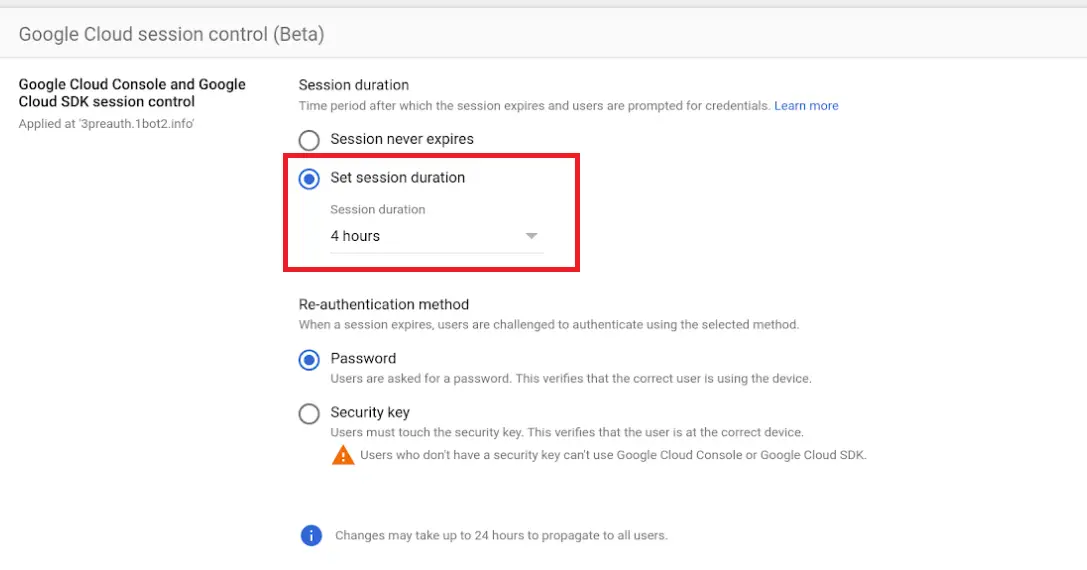
- Set Web session duration.
- Click “Override” to maintain.
- For overridden units, select “Inherit” or “Save.”
Why does Google keep asking me to sign in on my phone
Google may repeatedly prompt you to sign in on your phone for various reasons such as security measures, cookie settings, or if your session expires.
It could also be because of changes in your device’s settings or if there are any issues with your Google account synchronization.
Checking your account settings, verifying your device’s security settings, and ensuring stable internet connectivity might help alleviate this issue.
Quick step-by-step summary (click to expand)
- Confirm your browser allows cookies for google.com. Browser Settings > Privacy > Cookies > Allow all cookies OR add google.com to allow list.
- Do not use Incognito or private mode. Private windows clear cookies on close. Use regular window to stay signed in.
- Never click Sign Out. Once signed in, closing the tab or browser keeps the session. Only Sign Out explicitly ends it.
- Uncheck “Clear cookies on exit”. Some browsers auto-clear cookies on close. Uncheck this to stay signed in across restarts.
2026 update: staying signed in with Chrome 141 and Manifest V3
Chrome 141 (August 2026) and the full Manifest V3 rollout changed how “Keep me signed in” behaves. If you started getting signed out unexpectedly after summer 2026, this is why.
- New “Trust this browser” checkbox (2026 default): Google now shows a separate checkbox during sign-in asking whether the device should be trusted long-term. Checking it extends the session cookie lifetime from 14 days to 60 days. Not checking it keeps you at the classic short-session behavior.
- Chrome cookie partitioning: since Chrome 137, third-party cookies are partitioned per top-level site. If a browser extension clears cookies for the storage-partition instead of the top-level domain, you get signed out even though your Google session cookie is still present.
- Sync + sign-in separation: Google now distinguishes “Signed in to Chrome for personalization” from “Signed in to Google services (Gmail, Drive)”. A password reset or 2FA event on one does not always invalidate the other. Check both under
chrome://settings/people. - Old workaround no longer needed: the “keep me signed in” checkbox from pre-2024 sign-in flows was removed because Google now defaults to persistent sessions unless the browser is in Guest Mode or Incognito. If you do not see the checkbox on the modern sign-in page, that is expected behavior, not a bug.
- Password Manager auto-sign-in (2026): Chrome 141 now supports “Auto sign-in with passkeys” as a per-site preference at
chrome://settings/passwords. Toggle this on for accounts.google.com to make sign-out events silently reauthenticate you when you return to Gmail.
Common cause of unexpected sign-out in 2026: an antivirus or “PC cleaner” extension that clears browser cookies on a schedule. Check installed extensions at chrome://extensions and disable anything that touches site data automatically. Google session cookies belong to google.com and .google.com.
Sep 2026 update: Google’s new cross-device sign-in behavior
Google shipped a substantial update to how “Stay signed in” persists across devices in the July-Aug 2026 window. The changes affect Gmail, Google Drive, Google Docs, and Google Calendar identically since they share the same account session:
- Session length is now tied to your Google Account risk score. If Google’s fraud model considers your device low-risk (same IP range, same OS, no recent unusual activity), the “Stay signed in” checkbox keeps you logged in for up to 30 days. On higher-risk devices (public WiFi, new browser fingerprint, VPN with rotating IP) it drops to 24-72 hours regardless of the checkbox.
- “Sign out from all devices” now takes effect within 60 seconds across every service (Gmail, Drive, YouTube, Meet). Previously it could take up to 24 hours for cached tokens to expire. Useful if you sign in on a shared computer and forget.
- Chrome profile sync is separated from Gmail sign-in. You can be signed into Gmail without syncing Chrome bookmarks/history, and vice versa. Go to
chrome://settings/peopleto unlink them if you want the browser to remember Gmail but not sync your browsing.
The fix if Gmail keeps signing you out: clear only the site data for mail.google.com (Chrome → Settings → Privacy → Site Settings → View permissions and data → mail.google.com → Delete), then sign in fresh with “Stay signed in” checked. Clearing all cookies is overkill and will sign you out of every site you use.
Frequently Asked Questions
Secure your Gmail sign-in
The links below are affiliate links. We may earn a commission at no extra cost to you. See our affiliate disclosure.
Official documentation
Featured guides worth reading next
Does Gmail automatically sign me out after a certain time?
How do I disable Gmail’s session timeout if my workplace forces it?
Is it safe to stay signed in to Gmail permanently?
Why does Gmail keep signing me out on my phone?
How do I stay signed in on a shared computer (safely)?
Will clearing browser cookies sign me out of Gmail?
Conclusion
Ensuring you stay signed in on Google across multiple devices involves checking the “Stay signed in” option during login and enabling cookies and site data storage in your browser settings.
Google might sign you out automatically for security purposes, especially on public or shared devices, but updating your browser and securing your network can mitigate this.
Troubleshooting sign-in issues includes clearing browser cache and cookies, ensuring browser updates, and avoiding conflicting extensions or plugins, while contacting Google support for further assistance if needed.
Related Gmail tutorials
- How to Recover an Old Gmail Account
- How to Find My Gmail Password: 4 Methods
- How to Unsend an Email in Gmail
- How to Edit a Group in Gmail
- How to Send an Email as Urgent in Gmail
- How to Show More Than 100 Emails per Page
- How to Change Email Line Spacing in Gmail
- Gmail Guest Login Guide
- How to Create Apple ID with Gmail
Other troubleshooting + career resources
- Fix “Private DNS Server Cannot Be Accessed” Error
- How Much Does It Cost to Be a Software Engineer
- Best Python Books for Beginners and Advanced
- What is Information Systems
About this guide. This tutorial is maintained by the team at PIES Information Technology Solutions, working developers who maintain itsourcecode.com as a free resource for 12,000+ BSIT students monthly. For custom development needs, see our Hire Us page.

Joken E. Villanueva
Founder & Lead Developer at PIES IT Solution
Founder of PIES Information Technology Solutions, a software company building production-grade applications for institutions across the Philippines. Over 8 years of hands-on full-stack development experience, currently leading the development of ClinicAI, an AI-powered clinic management platform.
Expertise: PHP · MySQL · JavaScript · AI Integration · SaaS Architecture · VB.NET · Database Design · Capstone Documentation · Java · View all posts by Joken E. Villanueva →
What changed in 2026 with Gmail auto sign in
Google tightened its account security posture in mid 2026 by rolling out a new “trusted device” prompt that appears every 30 days on personal Gmail. Even if you enable “Stay signed in,” Google now asks you to confirm the device once a month by tapping a notification on your phone. This is a security feature, not a bug. If you never see the prompt, check your notification settings on your phone’s Gmail app.
For work or school Google Workspace accounts, your admin can force sign out every 8 or 24 hours regardless of your personal setting. If you get logged out constantly at work, ask your IT team about the “Web session length” policy in Admin Console. There is nothing you can change on your end.
On shared computers in 2026 (library, cafe, coworking space), avoid “Stay signed in” completely. Use an incognito or private window instead. Chrome and Edge both remember nothing after you close the window, including your Google session. This is far safer than trusting yourself to sign out later.
Additional troubleshooting for common 2026 issues
If “Stay signed in” fails to persist across browser restarts, three culprits are usually to blame: (1) an extension that clears cookies on close (check uBlock Origin, Cookie AutoDelete, or similar), (2) browser settings under Privacy that auto delete cookies at exit, or (3) an antivirus like Kaspersky or Bitdefender that strips session cookies. Disable each one at a time to isolate the problem.